
Tooth decay is permanent damage to the hard outer surface of your teeth, caused by acids that plaque bacteria release when they feed on sugars and starches in your diet. Left unchecked, it progresses from a barely visible white patch to a cavity, and eventually to infection of the tooth’s inner nerve. The reassuring news is that in its earliest stage, decay can often be slowed, halted or even reversed with consistent oral hygiene, fluoride and professional dental care.
What Is Tooth Decay?
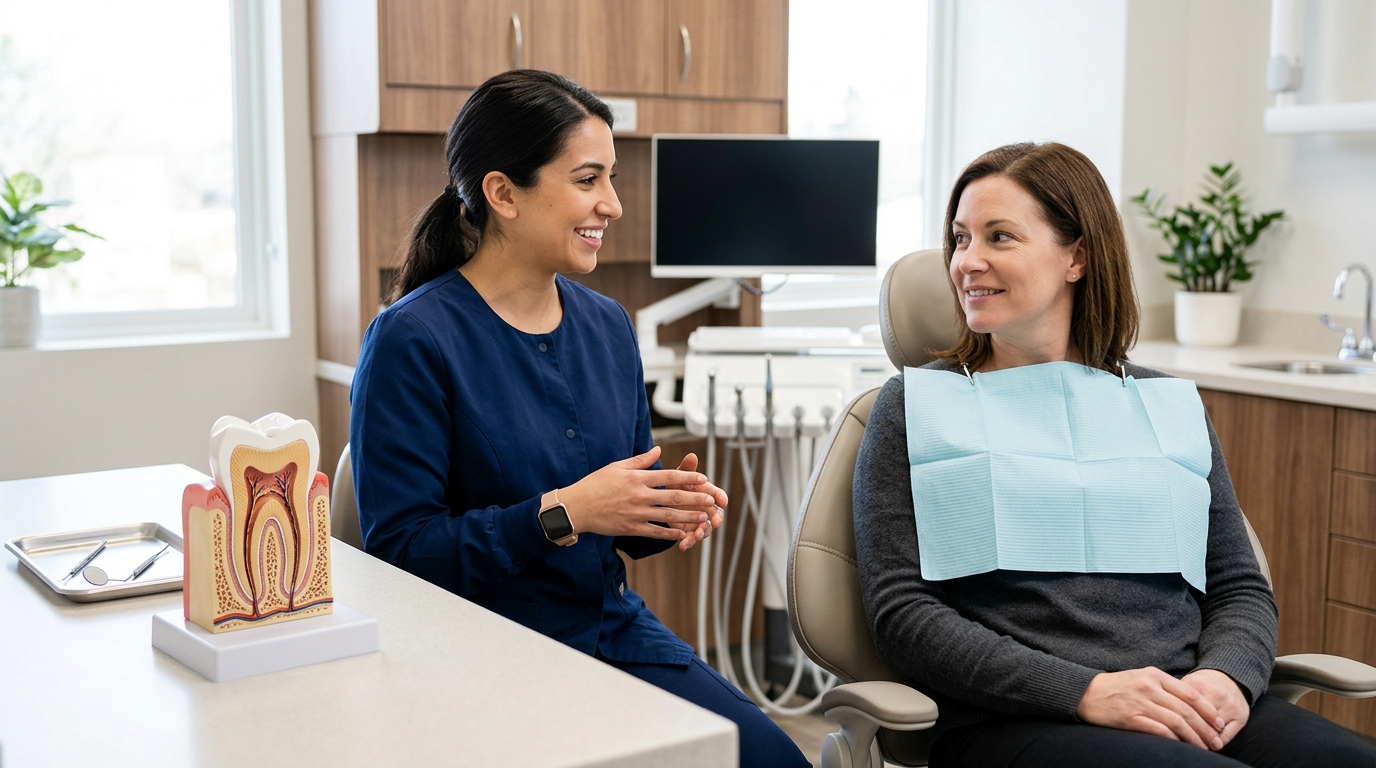
Tooth decay, known clinically as dental caries, is the gradual destruction of tooth structure by acid. Your mouth is home to a thriving community of bacteria that form a sticky film called plaque on every tooth surface. When you eat or drink anything containing fermentable carbohydrates, these bacteria produce acid as a by-product. That acid draws essential minerals such as calcium and phosphate out of the enamel, a process known as demineralisation.
Saliva works constantly to neutralise acid and redeposit minerals, but when the acid attacks outpace this natural repair, the enamel weakens and eventually breaks down. A cavity, a small hole in the tooth, is the visible result of that imbalance.
What Causes Tooth Decay?
Decay is rarely the result of a single factor. It develops when several conditions overlap over time:
- Plaque bacteria — species such as Streptococcus mutans thrive on sugar and generate enamel-dissolving acid.
- Frequent sugar and starch — it is how often you consume sugar, not simply how much, that matters most, because each exposure restarts the acid attack.
- Inadequate cleaning — plaque that is not removed hardens into tartar and shelters bacteria against the tooth.
- Reduced saliva flow — a dry mouth, whether from medication, medical conditions or dehydration, removes a key line of defence.
- Low fluoride exposure — fluoride strengthens enamel and helps it resist acid, so too little leaves teeth more vulnerable.
- Deep grooves and crowding — pits, fissures and tight contact points trap food and are harder to clean.
Who Is Most at Risk?
Tooth decay can affect anyone with teeth, but some groups face a higher risk. Children and older adults, people who snack frequently on sugary foods, those with a persistently dry mouth, and anyone wearing braces or living with receding gums may be more susceptible. Regular check-ups allow your dentist to identify these risks early and tailor advice to your needs.
What Are the Stages of Tooth Decay?
Decay tends to follow a fairly predictable path. Recognising where a tooth sits along this journey helps explain why early action matters so much.
1. Initial Demineralisation
The first sign is often a chalky white spot on the enamel where minerals have been lost. At this stage there is no hole yet, and the damage can frequently be reversed through remineralisation with fluoride and improved hygiene.
2. Enamel Decay
If the acid attacks continue, the enamel breaks down further and a cavity begins to form. The white spot may turn light brown. Once the surface is broken, the tooth can no longer repair itself and a filling is usually needed.
3. Dentine Decay
Beneath the enamel lies dentine, a softer tissue that decays more quickly. As decay reaches this layer, you may notice sensitivity to hot, cold or sweet foods. Prompt treatment can stop the process before it goes deeper.
4. Pulp Involvement
The pulp at the centre of the tooth contains nerves and blood vessels. When decay reaches it, the tissue becomes inflamed and toothache can become persistent. Root canal treatment is often required to save the tooth.
5. Abscess Formation
If bacteria reach the tip of the root, infection can build into an abscess, a painful pocket of pus that may cause swelling and fever. This is a serious stage that needs urgent dental attention.
What Are the Warning Signs and Symptoms?
Early decay is often silent, which is exactly why routine examinations are so valuable. As it advances, you may notice:
- Toothache or spontaneous, lingering pain
- Sensitivity to hot, cold or sweet foods and drinks
- White, brown or black staining on a tooth
- Visible holes or pits in the tooth surface
- Pain when biting down
- Persistent bad breath or an unpleasant taste
Because these signs frequently appear only after decay is well established, it is wise not to wait for pain before seeing a dentist.
How Is Tooth Decay Treated?
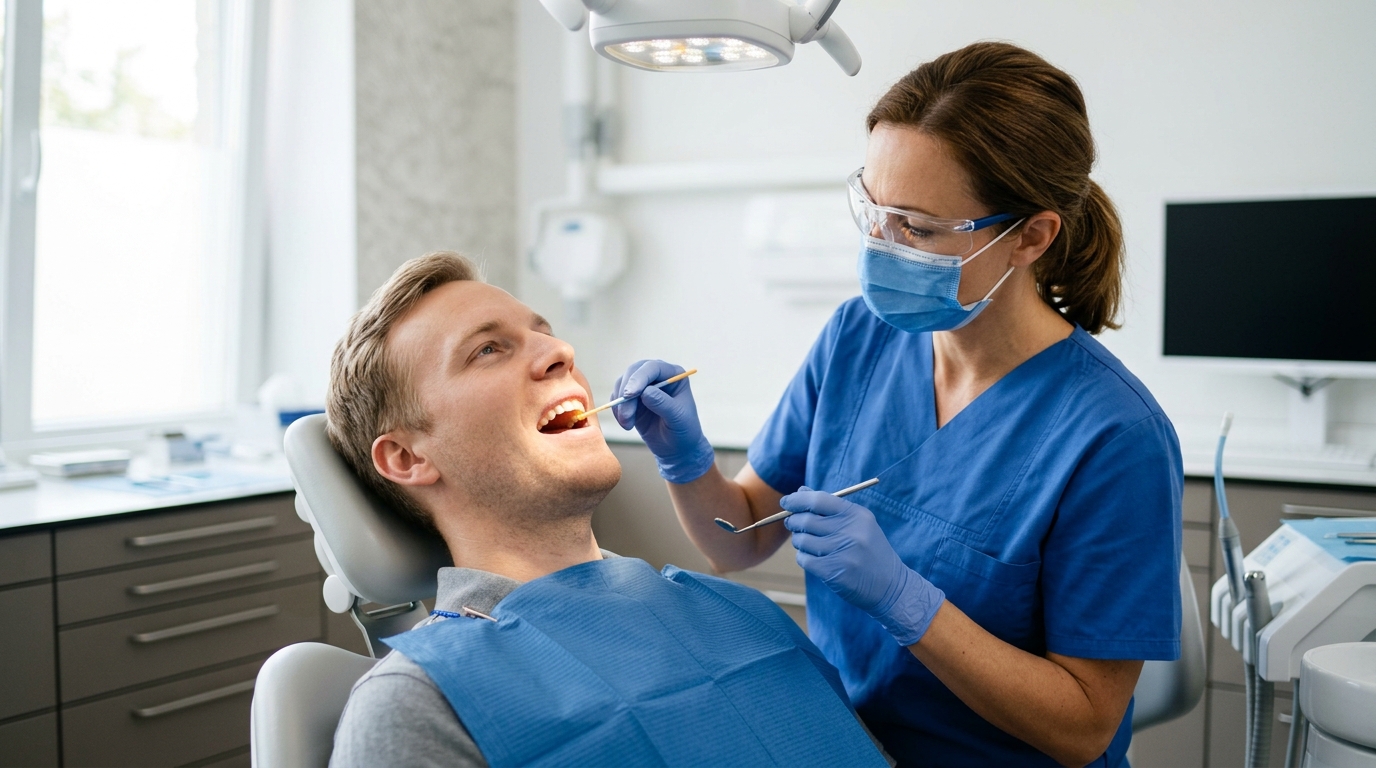
Treatment depends entirely on how far the decay has progressed, and the right approach should always be decided together with your dentist after an examination. Broadly, options include:
- Fluoride and remineralisation for the earliest white-spot lesions.
- Fillings to restore a tooth once a cavity has formed.
- Crowns when a large portion of the tooth is damaged.
- Root canal treatment to save a tooth whose pulp has become infected.
- Extraction as a last resort, only when a tooth cannot be saved.
Where a tooth is ultimately lost to advanced decay, a multidisciplinary dental team can discuss modern replacement options such as dental implants to restore both function and appearance. Every plan should be shaped around your individual needs rather than a one-size-fits-all approach.
How Can You Prevent Tooth Decay?
Tooth decay is one of the most preventable oral health problems, and a few consistent habits make an enormous difference.
Everyday Habits That Protect Your Enamel
- Brush twice a day with a fluoride toothpaste, including last thing at night.
- Spit out toothpaste rather than rinsing, so fluoride stays on your teeth for longer.
- Clean between your teeth daily with floss or interdental brushes.
- Limit how often you have sugary or starchy snacks and drinks, keeping them to mealtimes where possible.
- Drink plenty of water, especially fluoridated tap water where it is available.
- Consider sugar-free gum after meals to stimulate protective saliva.
Why Regular Dental Check-ups Matter
Routine visits allow your dental team to spot early decay, apply preventive treatments such as fluoride varnish or fissure sealants, and offer guidance tailored to you. Professional cleaning also removes hardened tartar that brushing alone cannot shift. In line with NHS advice, ask your dentist how often you personally should attend, as recommended intervals vary from person to person. Keeping your teeth strong and decay-free is also the best foundation for any cosmetic dentistry you might consider later, such as a carefully planned smile design.
When Should You See a Dentist?
Book an appointment promptly if you notice sensitivity, visible discolouration, a hole, or any toothache. Even without symptoms, keeping to the check-up interval your dentist recommends is the single most reliable way to catch decay early, when treatment is simplest. If you experience facial swelling, fever or severe pain, seek urgent dental care, as these can signal an abscess. Your dentist can assess your individual risk and guide your next steps. This article is educational and is not a substitute for a professional diagnosis.
Frequently Asked Questions
Can tooth decay be reversed?
In its very earliest stage, a white-spot lesion where enamel has lost minerals but no hole has yet formed, decay can often be halted or reversed through remineralisation with fluoride and better hygiene. Once a cavity breaks the surface, the damage is permanent and needs professional treatment.
Is tooth decay always painful?
No. Early decay is usually painless, which is why it can go unnoticed for a long time. Discomfort tends to appear only once decay reaches the dentine or pulp, so regular check-ups remain important even when your teeth feel fine.
How quickly does tooth decay develop?
There is no fixed timeline. Decay may take months or years to progress and depends on your diet, oral hygiene, saliva flow and fluoride exposure. Frequent sugar intake and poor cleaning can speed it up considerably.
Can tooth decay spread to other teeth?
A cavity itself does not jump from tooth to tooth, but the bacteria responsible can affect neighbouring teeth, particularly at the contact points where they touch. Good hygiene across the whole mouth helps protect every tooth.
What happens if tooth decay is left untreated?
Untreated decay advances through the enamel and dentine into the pulp, potentially causing infection, an abscess and, ultimately, tooth loss. Early treatment is far simpler and helps preserve your natural tooth.
How can I lower my risk of tooth decay?
Brush twice daily with fluoride toothpaste, clean between your teeth, limit how often you have sugary foods and drinks, stay hydrated and attend regular dental check-ups. Your dentist can offer preventive treatments and advice tailored specifically to you.