
Emax and zirconia are both ceramic dental materials, but they are usually chosen for different priorities. Emax is often considered when translucency and a natural-looking appearance are important. Zirconia is often considered when strength and coverage are the main concerns. The right option depends on the tooth, bite, existing restorations, shade concerns and the amount of change planned.
This guide gives a practical comparison to discuss with a dentist. It cannot determine which material is suitable for an individual patient.
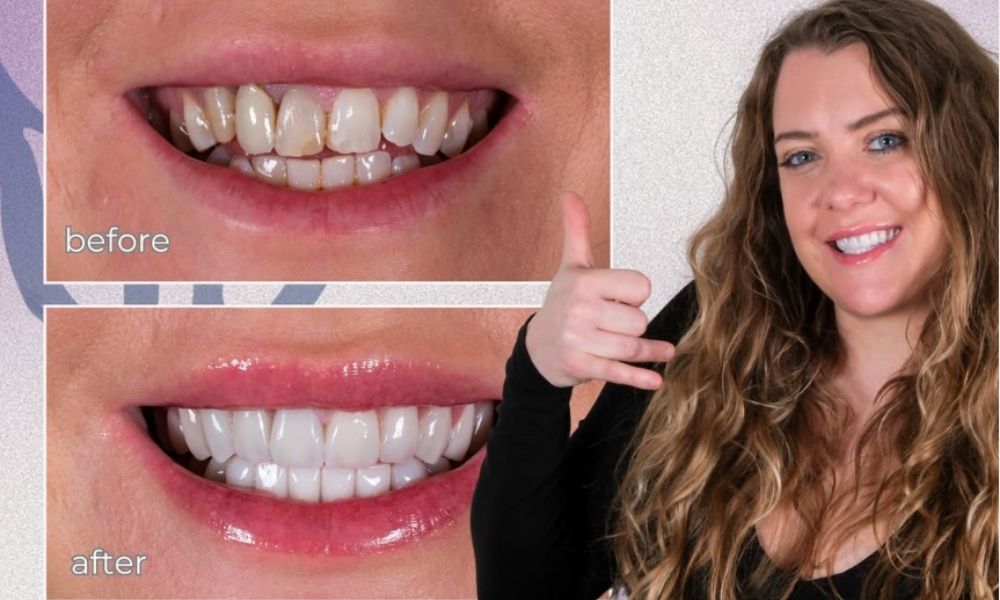
Emax vs zirconia: the short answer
If the aim is to closely match the light transmission of natural enamel on visible teeth, Emax may be considered. If a tooth needs a more opaque material or the plan calls for a restoration designed around higher biting forces, zirconia may be considered. These are starting points, not rules: the preparation, restoration design and bite all matter. IPS e.max CAD is available in several translucency grades, while the appearance of zirconia also depends on its formulation and construction. The material name alone cannot predict the final appearance.
| Question | Emax | Zirconia |
|---|---|---|
| Material | Lithium disilicate glass-ceramic | Zirconium dioxide ceramic |
| Appearance | Available in several translucency and opacity grades; the selected grade, shade and design matter | Appearance varies by zirconia grade and restoration construction; some designs are selected to mask darker underlying colour |
| Strength priority | A strong ceramic option, assessed against the individual restoration design and bite | Often selected where greater strength is a key consideration |
| Common discussion point | Visible front teeth and a natural-looking result | Coverage, tooth condition and biting forces |
| Preparation | The amount of tooth preparation is planned case by case | The amount of tooth preparation is planned case by case |
| Cost | Depends on the treatment plan, number of teeth and required care | Depends on the treatment plan, number of teeth and required care |
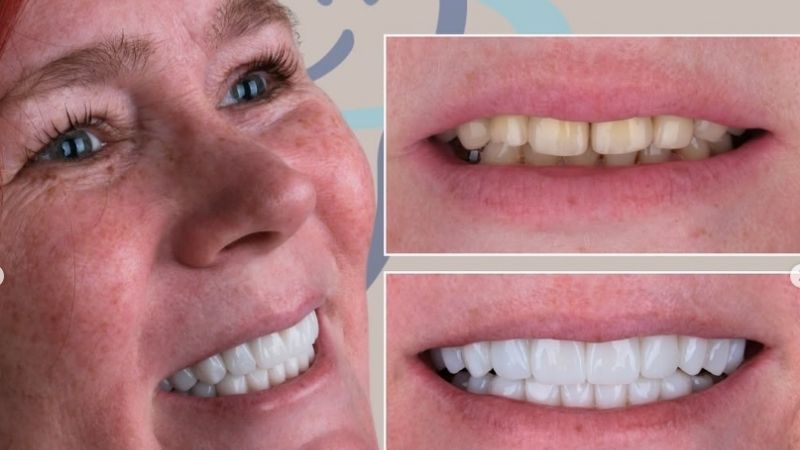
What is Emax?
Emax is a lithium disilicate ceramic. It is used for restorations such as veneers and crowns. IPS e.max CAD is offered in multiple translucency grades, from higher translucency to more opaque options. This manufacturer information describes product choices, not a guarantee that a given restoration will match natural enamel. A proposed grade, shade, shape and material should be considered alongside the surrounding teeth, gums and bite.
Learn more about the clinic’s Emax crowns and Empress veneers. Whether an Emax veneer, crown or another option is appropriate requires an examination and a treatment plan.
What is zirconia?
Zirconia is a zirconium dioxide ceramic used in dental restorations, including crowns. It is commonly discussed when strength, coverage or masking the colour of the underlying tooth is part of the treatment goal. Its appearance and suitability depend on the specific type of zirconia, the restoration design and the clinical situation.
For treatment-specific information, see the clinic’s page on zirconium crowns.
How to compare the two materials
1. Appearance and shade
Some lithium disilicate grades can transmit light in a way considered for visible front teeth. Zirconia is available in different formulations and restoration designs, so it is not accurate to treat every zirconia restoration as uniformly opaque. Masking a darker tooth may be one goal, but the final appearance also depends on the selected grade, restoration thickness and design, shade selection and surrounding teeth. Ask to compare the proposed options for your actual tooth rather than relying on a material label alone.
2. Tooth condition and restoration type
“Veneer” and “crown” are not interchangeable. A veneer covers the visible front surface of a tooth, while a crown covers more of the tooth. The amount of healthy tooth structure, existing fillings or restorations, cracks, colour changes and the intended restoration all influence the material discussion.
3. Bite and habits
Clenching, grinding and the way the upper and lower teeth meet can change the demands on a restoration. A dentist should check the bite and discuss protective measures, such as whether a night guard may be appropriate, before recommending a material.
4. Preparation and long-term care
Some treatment plans require tooth preparation so that a restoration can fit and look natural. The extent of preparation varies. Both materials need routine oral hygiene, professional care and sensible use: restorations should not be used to open packaging or crack hard objects. Ask what future maintenance or replacement could involve for the proposed plan.
Questions to ask at a consultation
- Is a veneer, crown or another treatment being proposed, and why?
- Which material grade and restoration design fit the condition of my teeth, desired shade and bite?
- How much tooth preparation is expected?
- What shade and shape changes are realistic for my existing teeth?
- How should I care for the restoration, especially if I clench or grind my teeth?
Cost and next steps
There is no reliable one-price answer for Emax or zirconia. The number of teeth, restoration type, preparation and any additional treatment all affect a plan. Review the current price information, then request an individual assessment rather than choosing a material from price alone.
To discuss Emax, zirconia or another option for your situation, use the contact page to request a consultation.
Medical information notice: This article is for general information and does not replace a dental examination, diagnosis or personalised treatment advice.
Sources and scope
- Ivoclar: IPS e.max CAD — manufacturer information on available translucency grades and indications, not a head-to-head clinical outcome study.
- American Dental Association: materials for indirect restorations — clinical material overview; individual suitability requires an examination.