
Gingivitis is the earliest and mildest form of gum disease, caused by plaque building up along the gumline and inflaming the surrounding tissue. Because it affects only the gums and not the bone that anchors your teeth, it is usually reversible with a professional clean and consistent care at home. Left unchecked, however, it can quietly progress to periodontitis, a far more serious condition that can eventually lead to tooth loss.
What exactly is gingivitis?
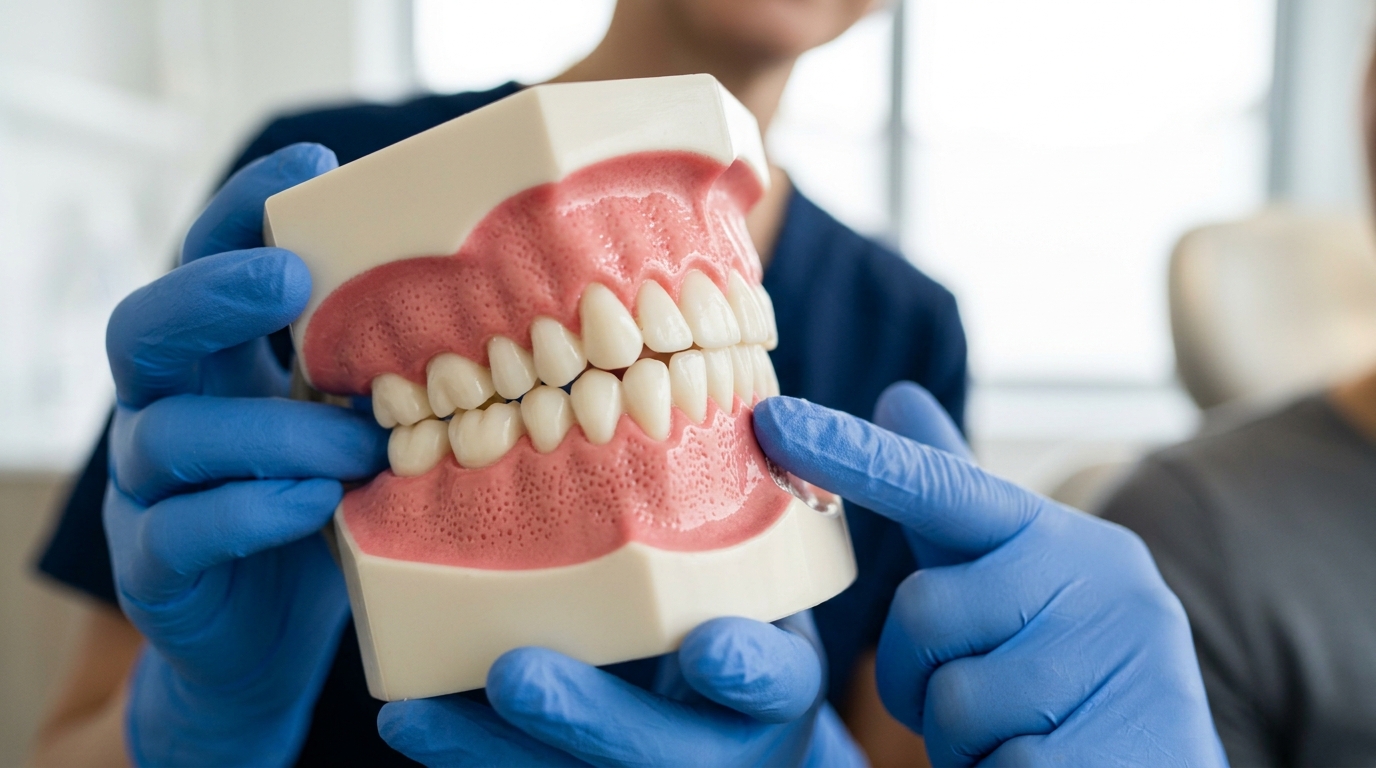
Gingivitis is inflammation of the gingiva, the collar of soft tissue that hugs the base of each tooth. It develops when a sticky film of bacteria called plaque is allowed to sit on the teeth, particularly where the tooth meets the gum. The bacteria release toxins that irritate the gum, triggering the redness, puffiness and bleeding that many people first notice when brushing.
The reassuring news is that at this stage the deeper structures that hold your teeth in place are still intact. That is precisely why gingivitis is considered reversible, and why acting early matters so much.
What causes gingivitis?
The direct cause is dental plaque. When plaque is not removed thoroughly each day, it hardens within a couple of days into tartar (also called calculus), a rough deposit that can no longer be brushed away and that shelters yet more bacteria against the gum. This ongoing irritation keeps the gum inflamed.
Several factors can make you more prone to it, or make existing inflammation worse:
- Inconsistent oral hygiene — rushed brushing or skipping between the teeth.
- Smoking or vaping, which reduces blood flow to the gums and masks bleeding.
- Hormonal changes during pregnancy, puberty or the menopause.
- Certain medical conditions, including poorly controlled diabetes.
- Some medications that cause a dry mouth or gum overgrowth.
- Crowded or crooked teeth that are harder to keep clean.
Having one of these does not mean gum disease is inevitable, but it is worth mentioning any of them to your dentist so your care can be tailored.
What are the early warning signs?
Gingivitis is often painless, which is one reason it goes unnoticed. Rather than aching, it tends to whisper. Look out for:
- Gums that bleed when you brush or floss
- Redness or a puffy, swollen appearance along the gumline
- Gums that look shiny or feel tender
- Persistent bad breath or an unpleasant taste
- Gums that seem to be pulling away slightly from the teeth
Healthy gums are pale pink, firm and do not bleed with normal brushing. If yours bleed regularly, treat it as a signal rather than something to brush past, quite literally.
Can gingivitis really be reversed?
Yes. This is the single most important thing to understand about the condition. Because gingivitis has not yet damaged the bone or the fibres that support your teeth, removing the plaque and tartar that is fuelling the inflammation allows the gum to settle and heal.
The distinction to hold on to is this: gingivitis is reversible, whereas periodontitis, the stage that follows, causes damage that cannot be fully undone. Catching things while they are still gingivitis is therefore the difference between a straightforward clean and a lifetime of managing a chronic problem.
How is gingivitis treated?
Treatment works on two fronts at once: a thorough professional clean to reset your mouth, followed by a home routine that stops the plaque returning.
Professional care from your dental team
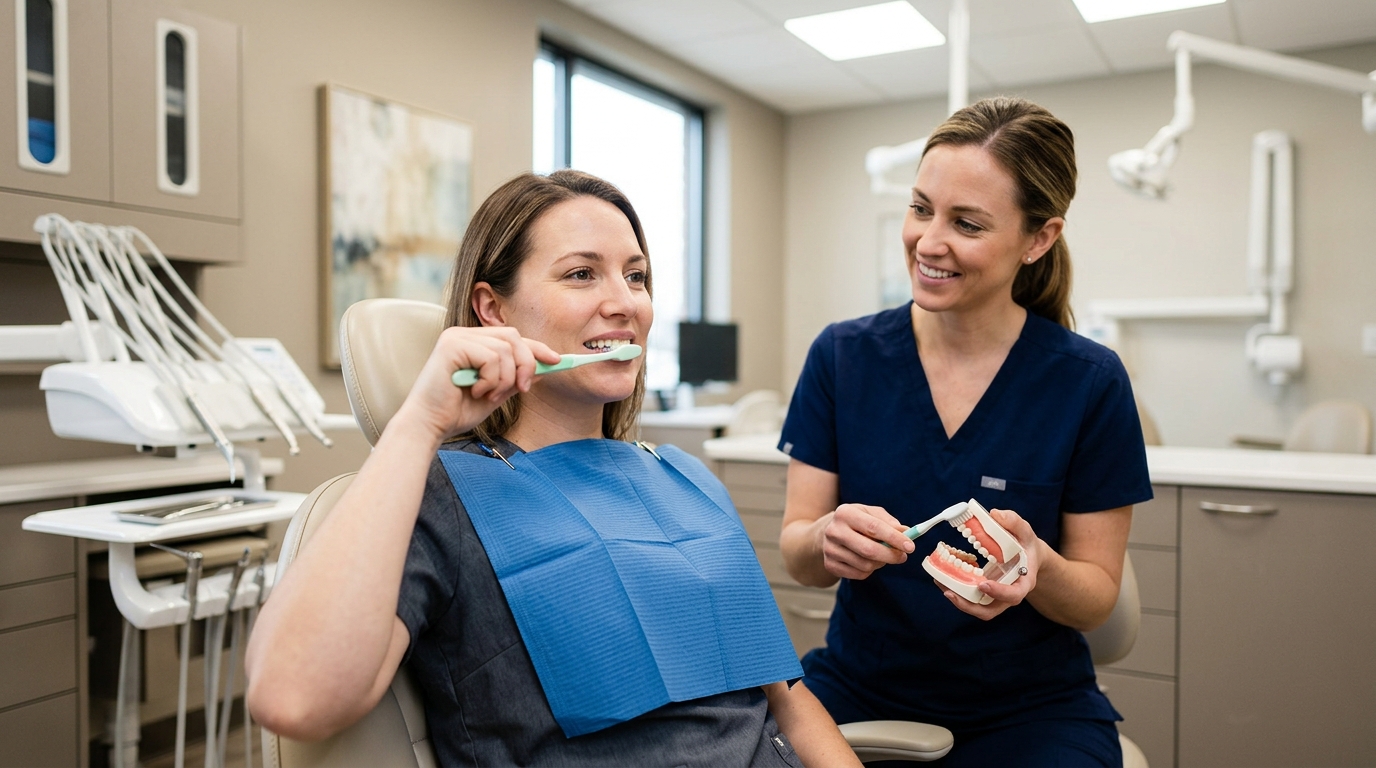
Your dentist or hygienist will remove the plaque and hardened tartar through a procedure often described as a scale and polish. They can also identify the exact spots you are missing at home and show you how to reach them. In more stubborn cases they may recommend an antimicrobial mouthrinse for a short period, though this supports good brushing rather than replacing it.
Your daily routine at home
The professional clean gives you a fresh start; your daily habits decide whether the improvement lasts. A dependable routine looks like this:
- Brush twice a day for two minutes with a fluoride toothpaste, angling the bristles gently towards the gumline.
- Clean between your teeth once a day with floss or interdental brushes, where a toothbrush cannot reach.
- Replace your toothbrush, or brush head, roughly every three months.
- Avoid scrubbing hard; firm, gentle and thorough beats aggressive.
Do not be alarmed if your gums bleed a little during the first few days of improved cleaning. As the inflammation resolves, that bleeding typically fades. If it persists, let your dentist know.
How long does it take for gums to recover?
Many people see a genuine difference within a week or two of a professional clean paired with better home care, with the redness and bleeding easing noticeably. Full resolution depends on how established the inflammation was and how consistent you are. Your dental team is the right judge of your progress, so keep any follow-up appointments they suggest.
Gingivitis or periodontitis: what is the difference?
The two sit on the same spectrum, but the line between them matters enormously.
- Gingivitis is limited to the gums, causes no lasting damage and is reversible.
- Periodontitis occurs when untreated inflammation spreads deeper, destroying the bone and connective tissue that hold teeth in place. This can create gum pockets, loosening and, over time, tooth loss.
Periodontitis can be managed and stabilised, but the ground already lost cannot simply grow back. That is the strongest argument for taking gingivitis seriously today.
How can you keep gum disease from coming back?
Prevention is largely the same routine that treats gingivitis, sustained over time. Alongside daily brushing and cleaning between the teeth, attend regular check-ups so plaque and tartar are removed before they can cause trouble, and so any early change is spotted quickly. If you smoke, reducing or stopping is one of the most valuable things you can do for your gums.
Healthy, stable gums are also the proper foundation for any cosmetic dentistry. Once your gum health is settled, some patients go on to explore options such as professional teeth whitening or a tailored smile design consultation, but a healthy mouth always comes first.
When should you see a dentist?
Book an appointment if your gums bleed regularly, look swollen or red, or if bad breath lingers despite good cleaning. You should also seek advice sooner rather than later if you notice gum recession, any looseness in your teeth, or a change in how your teeth meet when you bite, as these can signal that the problem has moved beyond gingivitis. When in doubt, a check-up is always the safe choice, and only your dentist can assess your gums properly and recommend the right care for you.
Frequently Asked Questions
Is gingivitis reversible?
Yes. Because gingivitis affects only the gums and not the supporting bone, it can usually be reversed with a professional clean and consistent brushing and cleaning between the teeth. Acting early, before it advances to periodontitis, is key.
Does bleeding when I brush always mean gingivitis?
Bleeding gums are the most common early sign of gingivitis, but they can also stem from brushing too hard, a new flossing routine or other conditions. If bleeding happens regularly, it is best to have your dentist take a look rather than assume the cause.
Is gingivitis painful?
Often not, which is why it is easy to miss. Many people have no discomfort and only notice redness, puffiness or a little bleeding. The absence of pain does not mean the inflammation is harmless, so early signs still deserve attention.
How long does gingivitis take to clear up?
With a professional clean and improved home care, many people notice a clear improvement within one to two weeks. How quickly it fully settles depends on how established it was and how consistent your routine is, so follow the guidance your dental team gives you.
Can I treat gingivitis at home on my own?
Good home care is essential, but it works best alongside a professional clean, because hardened tartar cannot be brushed away and needs to be removed by a dentist or hygienist. Think of home care and professional care as partners rather than alternatives.
Does mouthwash cure gingivitis?
An antimicrobial mouthrinse can support treatment, but it does not remove plaque or tartar on its own and is not a substitute for brushing and cleaning between the teeth. Ask your dentist whether a rinse is helpful for your particular situation.