Unique Smile Turkey




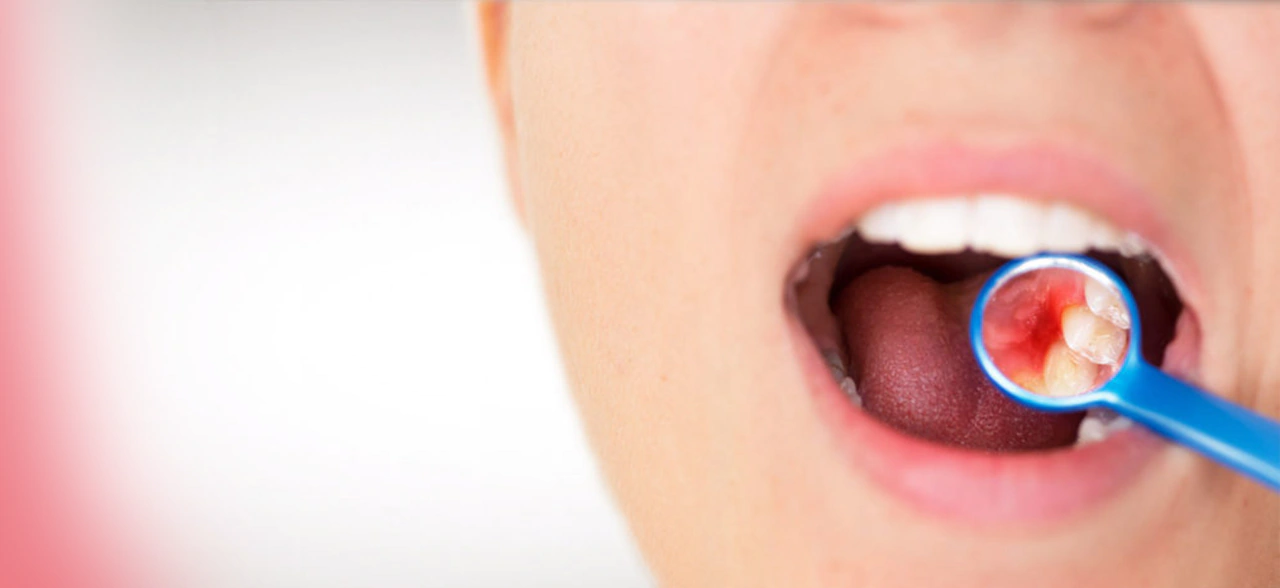
Some smiles show more gum than tooth, some show an uneven gum line where one tooth looks shorter than its neighbour, and some show gum that has crept over the crowns after orthodontic treatment or years of inflammation. Gum contouring reshapes that margin so the teeth are framed evenly. It is a small procedure with a visible effect, and it is often what makes the difference between a good and a natural-looking smile design.
Gum surgery at Unique Smile Turkey is carried out by Prof. Ismet Duran DDS, PhD, professor of periodontology, whose clinical interests include gingivectomy and gingivoplasty, pink aesthetics, mucogingival surgery and gingival recession treatment.
Gum contouring, also called gingival sculpting, is the reshaping of the gum margin around one tooth or across a whole smile line. Gingivectomy removes excess gum tissue; gingivoplasty reshapes what remains so the scallop of the gum follows the natural curve of each tooth. Where the bone sits too close to the crown, a small amount of bone is recontoured at the same time so the result is stable rather than growing back.
It is not the right treatment for gum that has receded and exposed root surfaces. That is the opposite problem and is treated with a graft; see our periodontal treatment page.
Gum contouring on inflamed gums does not hold. Bleeding, swelling and pocketing are treated first, and the gum is allowed to settle so the true margin becomes visible. The assessment also checks how much gum shows when you smile, where the lip sits, the crown length of each tooth and the bone level on X-ray, because a gummy smile caused by the jaw or by lip movement is not solved by reshaping the gum alone. Being told that honestly before treatment is more useful than a result that disappoints.
The area is numbed with local anaesthetic. The new margin is marked following the proportions of each tooth, and the excess tissue is removed with a scalpel or a soft tissue laser, depending on the case. If bone recontouring is needed, a small flap is raised so the bone crest can be adjusted, then the gum is repositioned. Most cases involving the front teeth are completed in a single appointment.
The gum is tender for a few days and looks pale at the margin while it heals. Soft food, no smoking, gentle cleaning of the area with the mouthwash you are given, and normal brushing everywhere else. The margin looks close to final within a couple of weeks, though the tissue continues to mature for longer, which is why final veneers or crowns are usually fitted after the gum has settled rather than on the same day.
When gum reshaping is combined with restorative work, the sequence matters: gums are treated and reshaped first, the tissue is given time to settle, and only then are veneers or crowns finalised against a stable margin. Doing it the other way round leaves a restoration edge that shows when the gum settles. The full sequence is described on our smile makeover page.
Gum contouring on its own is a short procedure, but it is rarely the only reason someone travels. It is usually planned alongside other treatment, and the plan sets out which appointments happen in which order and how much healing time falls between them. Send photographs of your smile and any recent X-rays through the contact page and you will get a realistic assessment of whether the gum is the actual problem before you book anything.
If your gums bleed, are swollen or have changed shape recently, that is inflammation or enlargement to be assessed rather than an aesthetic case to be trimmed. A gum line that has changed quickly, or tissue that bleeds without provocation, should be examined promptly.
Is gum contouring permanent?
Where the bone has been recontoured alongside the gum, the new margin is stable in the long term. If the tissue is trimmed without addressing an underlying bone level that sits too high, it can partially regrow, which is why the assessment looks at bone as well as gum.
Does gum contouring hurt?
The procedure is done under local anaesthetic and you should not feel it. Afterwards the area is tender for a few days and is usually managed with simple pain relief.
How long does healing take?
The surface heals within one to two weeks. The margin keeps maturing for several weeks after that, which is why definitive veneers or crowns are placed once the tissue has settled.
Can a laser be used instead of a scalpel?
In many soft tissue cases, yes, and it can mean less bleeding during the procedure. Where bone has to be reshaped, a small flap is still needed. The choice depends on the anatomy, not on preference.
Will my gums look natural afterwards?
That depends on planning rather than on the cutting. The margin is designed around the proportions of each tooth and the position of the lip, so the scallop stays irregular in the way natural gums are, instead of being reduced to a straight line.
Reviewed by Prof. Ismet Duran DDS, PhD, professor of periodontology, Unique Smile Turkey, Antalya. General information only; it is not a diagnosis or a treatment recommendation for an individual patient.