Unique Smile Turkey




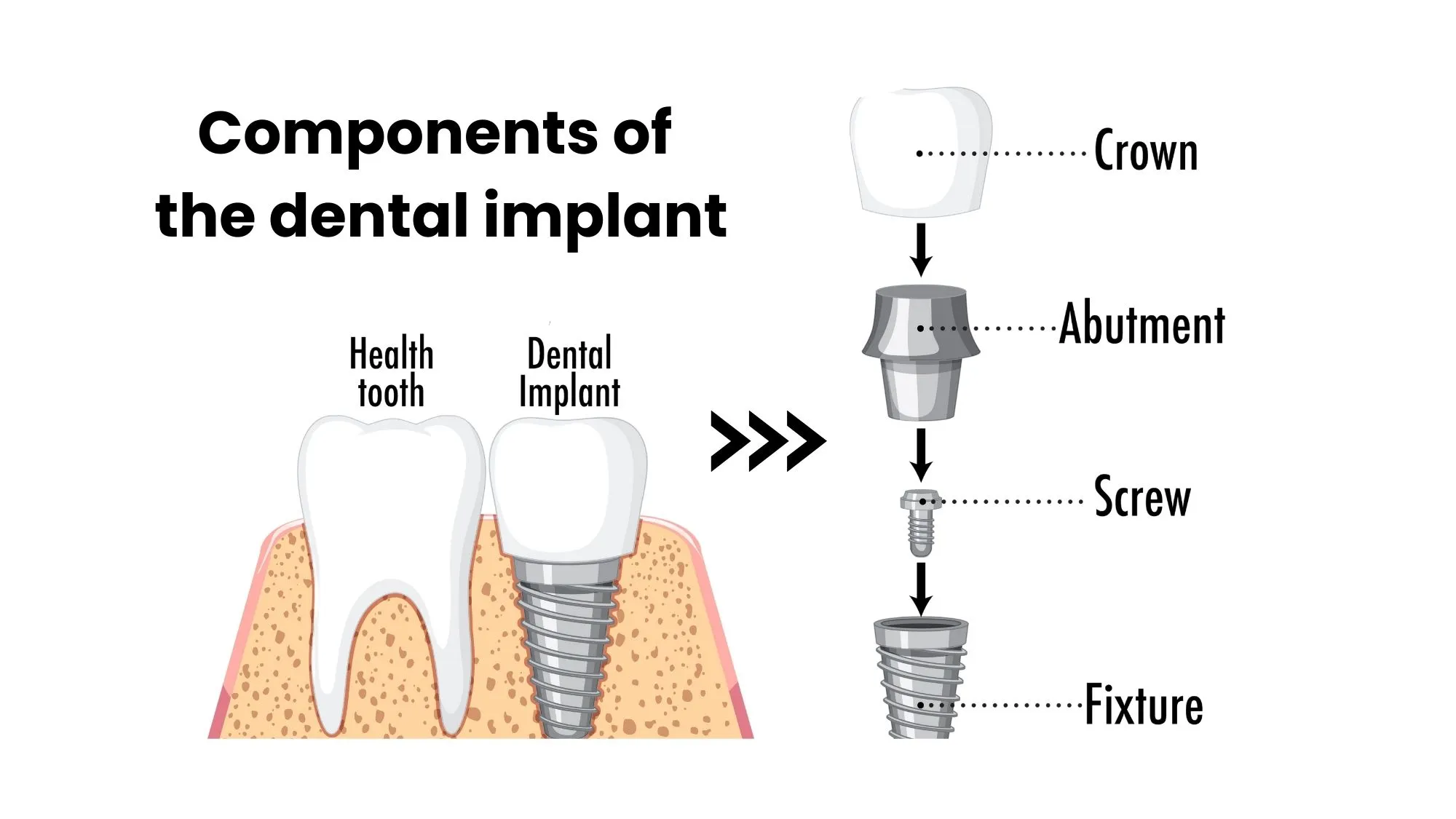
A dental implant does not decay, but the gum and bone that hold it in place can still become infected. That infection is called peri-implantitis, and it is the single most common reason an implant that worked well for years starts to feel loose or sore. It is also treatable, particularly when it is picked up early.
At Unique Smile Turkey, peri-implantitis care is led by Prof. Ismet Duran DDS, PhD, a professor of periodontology whose clinical interests include peri-implantitis treatment, advanced implant surgery, guided tissue regeneration and soft tissue grafting.
Peri-implantitis is an inflammatory condition affecting the soft tissue and the bone around a dental implant. Bacterial plaque collects on the implant surface, the body responds with inflammation, and over time the bone that anchors the implant is lost. Because the implant has no periodontal ligament and no nerve of its own, the process can advance quietly.
It is closely related to gum disease around natural teeth. If you want the background on that, our guide to the signs and stages of gum disease covers the same biology in more detail.
Peri-implant mucositis is the early, reversible stage. The gum around the implant is red, puffy and bleeds when brushed, but the bone level is unchanged. Peri-implantitis is the later stage: the same inflammation, now with measurable bone loss visible on an X-ray. The distinction matters, because the first is usually managed with cleaning and better home care, while the second needs a structured treatment plan.
Contact a dentist if you notice any of the following around an implant:
Movement of the implant itself is a late sign. By that point the options are usually more limited, which is why the earlier signals are worth acting on.
Several factors raise the risk, and most patients have more than one of them: a history of periodontitis around natural teeth, smoking, poorly controlled diabetes, cement left behind under a crown, a restoration that is difficult to clean around, insufficient thickness of firm gum tissue at the implant site, and irregular professional maintenance after the implant was placed. Grinding and clenching add mechanical load to a site that is already compromised.
Diagnosis is straightforward but it has to be done properly. The gum around each implant is probed gently to record pocket depths and bleeding, and a radiograph is taken to compare the current bone level with the level at the time the implant was loaded. Where the anatomy is complex, a CT scan shows the shape of the defect in three dimensions. Without a radiograph, mucositis and peri-implantitis cannot be told apart.
Early cases are managed without surgery. The crown may be removed so that the implant surface can be reached properly, the surface is decontaminated with implant-safe instruments and irrigation, and any overhanging or uncleanable part of the restoration is corrected. Antimicrobial agents are used where indicated. The site is then reassessed after healing to confirm that bleeding and pocket depths have actually improved.
When bone has already been lost, access surgery allows the defect to be cleaned under direct vision. Depending on the shape of the defect, the surgeon may reshape the surrounding bone and reposition the gum so the area becomes cleanable, or attempt to rebuild the defect using a bone graft with a barrier membrane. Contained, well-walled defects respond best to regeneration; wide, shallow ones are usually managed differently. Soft tissue grafting is sometimes added to give the implant a thicker, more resilient cuff of gum.
Prof. Duran's surgical interests, including guided tissue regeneration, free gingival and connective tissue grafts and advanced implant surgery, are set out on his profile page.
Sometimes the most predictable route is to remove the implant, let the site heal, rebuild the bone where necessary and place a new implant later. That is a planned sequence rather than a failure of the plan, and it is discussed openly before anything is done. Where a replacement is appropriate, the options are the same as for any other case, from a single implant to a full-arch solution such as All-on-4.
A large share of the people we see for implant problems had the original work done in another country, sometimes years earlier. That is manageable. Bring your implant passport or brand card, your treatment plan and any radiographs you were given; if you no longer have them, the implant system can usually be identified from a new X-ray. What matters clinically is the current bone level and the condition of the tissue, not who placed the implant.
Send your existing X-rays through our contact page before you travel and you will get a realistic idea of what is involved, how many appointments are likely and how long you would need to stay.
Treatment holds only if maintenance follows it. That means a professional review at intervals set for your risk profile, usually every six months, cleaning around implants with the right instruments, interdental brushes sized to the gaps, and stopping smoking where that applies. Patients with a history of gum disease also need their natural teeth kept stable, because the same bacteria live in both places. Our periodontal treatment page explains that side of the care.
Book an examination if the gum around an implant bleeds regularly, if there is swelling, discharge or a persistent bad taste, or if the crown feels loose or sits differently than it used to. If the implant itself moves, treat it as urgent. Only a clinical examination with radiographs can establish the stage and the right treatment; nothing on this page replaces that assessment.
Is peri-implantitis reversible?
The earliest stage, peri-implant mucositis, affects only the soft tissue and can often be resolved once the implant surface is professionally cleaned and home care improves. Once bone around the implant has been lost, that bone does not return on its own, so treatment aims to stop further loss and, where conditions allow, rebuild part of the defect. Only an examination with X-rays can tell you which stage you are at.
Will I lose my implant?
Not necessarily. Many implants are kept when the problem is caught while the bone loss is limited and the patient commits to a maintenance programme. An implant is usually removed when it has become mobile, when a large part of its surface is exposed, or when infection keeps returning after treatment.
My implants were placed in another country. Can you still treat them?
Yes. Different manufacturers use different connections, so bring whatever documentation you have: the implant passport or brand card, your treatment plan and any X-rays or CT scans. If none of that is available, the system can usually be identified from a radiograph during your consultation.
Does peri-implantitis hurt?
Often it does not, which is why it is missed for so long. Pain tends to appear late. Bleeding when brushing around the implant, swelling, a bad taste or discharge, and gum that is pulling away from the crown are the signals to act on, with or without pain.
How often should implants be checked?
Most patients with implants are reviewed every six months, and more frequently if they smoke, have diabetes or have a history of gum disease. These appointments use implant-safe instruments and are not the same as a routine scale and polish.
Reviewed by Prof. Ismet Duran DDS, PhD, professor of periodontology, Unique Smile Turkey, Antalya. This page is general information about a dental condition and is not a diagnosis or a treatment recommendation for an individual patient.